
Hiking the Preikestolen: A Journey to Norway’s Iconic Pulpit Rock
- Apr 7, 2025
- 4 min read
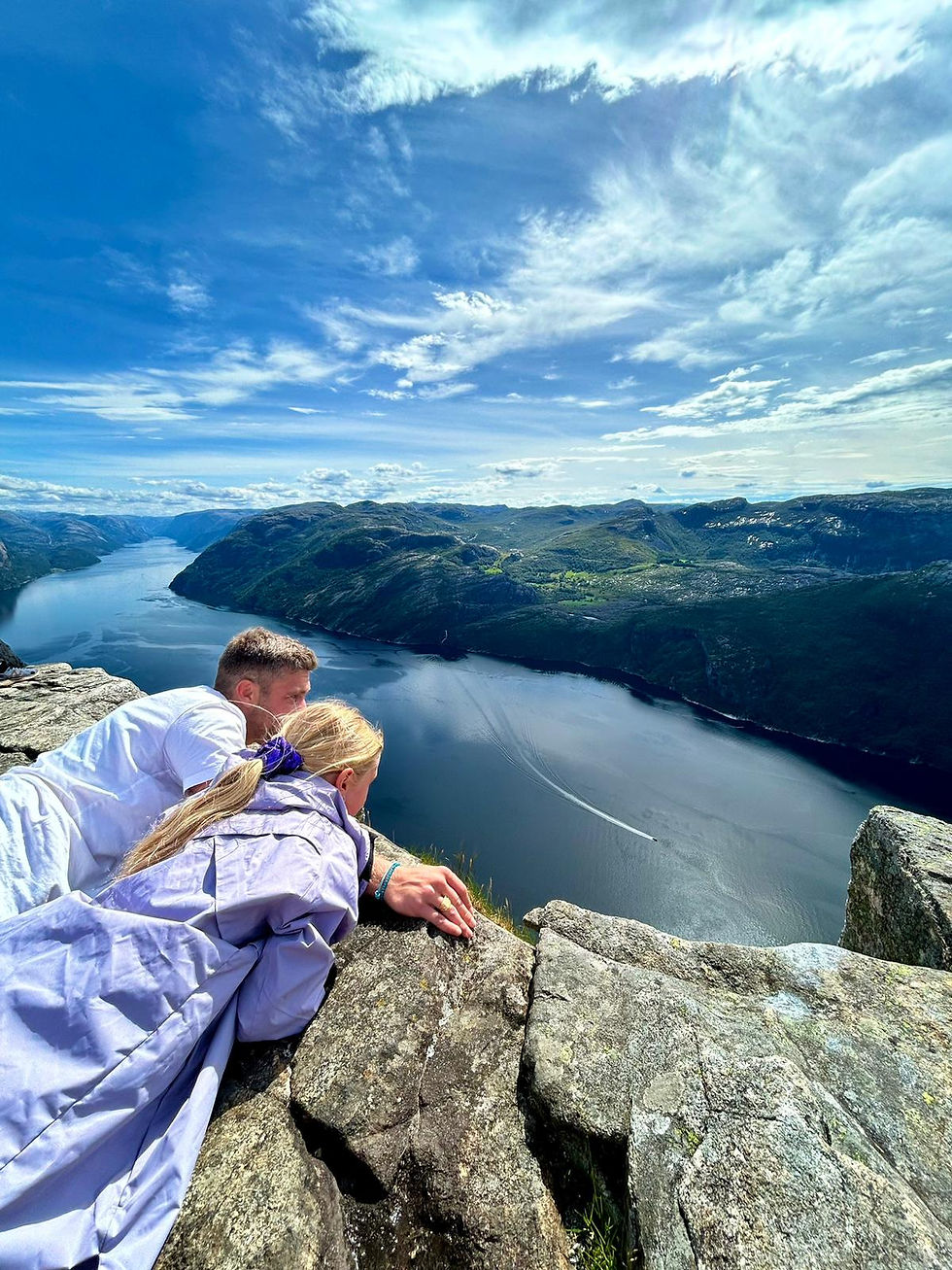
Preikestolen, also known as Pulpit Rock, is one of the most breathtaking hiking destinations in the world. Towering 604 meters above the Lysefjord in southwestern Norway, this natural marvel draws over 300,000 visitors every year. The hike to the top is a moderately challenging adventure that rewards trekkers with panoramic views, dramatic cliff edges, and an unforgettable experience that lingers in memory long after descent.
Where is Preikestolen Located?
Preikestolen is located in the Rogaland County of Norway, near the city of Stavanger. The rock formation juts out from the mountainside, offering hikers a nearly square plateau that measures approximately 25 by 25 meters. It is easily accessible via ferry and bus routes from Stavanger, followed by a hike from the Preikestolen Mountain Lodge.
Best Time to Hike Preikestolen
The trail is officially open from April to October, but the best months for hiking are May through September when the weather is mild, and the trail is dry and safe. Hiking in winter is not recommended unless you're an experienced hiker with proper gear, as snow and ice can make the path treacherous.
Trail Overview: What to Expect
The hike begins at Preikestolen Fjellstue (Mountain Lodge), at an altitude of about 270 meters. From here, the trail stretches approximately 8 kilometers (round-trip) and takes around 4 to 5 hours to complete, depending on fitness level and weather conditions. The total elevation gain is roughly 330 meters.
Trail Highlights:
First Ascent: Right after starting, you encounter a steep and rocky incline that tests your stamina.
Boardwalk Sections: Wooden paths through marshy areas offer a brief respite and showcase the beautiful alpine flora.
Resting Spots: Multiple scenic rest areas give hikers the chance to take in small lakes and sweeping views.
Final Stretch: The last kilometer ascends gently toward the plateau. The anticipation builds as the fjord comes into view.
Essential Gear for the Preikestolen Hike
To ensure a safe and enjoyable hike, you must be properly equipped. Weather in Norway can change quickly, even during the summer.
Recommended Items:
Sturdy hiking boots with good ankle support
Weather-appropriate clothing, including a windproof jacket
Backpack with snacks, water, and a first-aid kit
Map or GPS, though the trail is well-marked
Headlamp or flashlight if hiking early or late
Be Careful When Looking Over the Edge
The edge of Preikestolen is both thrilling and dangerous. There are no railings or safety barriers, which makes for uninterrupted views and spectacular photos—but also presents real risk. Every year, hikers dangerously inch closer to the edge for that perfect shot.
We strongly advise visitors to exercise extreme caution near the cliff edge. A single misstep could be fatal. Wind gusts are common and unpredictable. Never lean over or sit with your legs dangling unless you're fully aware of the conditions. Stay back, especially during crowded times when the rock is full of other visitors.
Photography Tips at the Top
Capturing the grandeur of the Lysefjord and the dizzying drop from the rock is a must. Here are some tips to help you get the best shots:
Arrive early in the morning or stay late for golden hour lighting and fewer crowds.
Use a wide-angle lens to fully capture the vast landscape.
Bring a tripod for stability in low light.
Consider a drone for aerial shots—but be sure to follow Norwegian drone regulations.
Guided Tours and Solo Hiking
While the trail is popular and well-marked, guided tours are available for those who prefer added safety and context. Guides offer insights into the region’s geology, flora, and fauna, and ensure proper pacing for less experienced hikers.
Solo hiking is common, but it’s essential to let someone know your plans and check the weather before setting out. Cell phone service is limited along the trail, so don't rely on online maps during the hike.
Nearby Attractions to Explore
Preikestolen is part of a region rich in natural beauty. Once you've completed the hike, consider visiting these nearby sites:
Kjeragbolten – A boulder wedged between two cliffs, another legendary hike for adrenaline junkies.
Lysebotn Village – A remote village nestled at the end of the Lysefjord, accessible by boat or car.
Flor & Fjære – A tropical garden island off Stavanger, perfect for a post-hike relaxation.
Stavanger Old Town (Gamle Stavanger) – A charming area filled with white wooden houses, galleries, and cafés.
Sustainable Hiking: Leave No Trace
As we enjoy the pristine landscapes of Norway, we must also commit to preserving them. Follow the “Leave No Trace” principles:
Carry all trash with you.
Stay on marked trails to avoid damaging vegetation.
Respect wildlife and other hikers.
Avoid loud noises that disturb the peace of nature.
Safety and Emergency Information
Emergency number in Norway: 112
Trail conditions are updated regularly by local authorities and can be checked at VisitNorway.com or Stavanger tourist information.
In case of injury, helicopter rescues are possible but expensive and time-consuming. Prevention is key.
Conclusion: A Must-Do Norwegian Adventure
Hiking to Preikestolen is a truly rewarding experience for those who seek both natural beauty and physical challenge. The combination of well-marked trails, stunning scenery, and the iconic cliff-top view makes this one of the best day hikes in Europe. Whether you go it alone or with a guide, always respect nature and tread carefully—especially near the edge. A slip at Preikestolen is no small matter. Admire the views, take your time, and make memories that will last a lifetime.


Comments